


Would it surprise you to know that the same material used to pack your groceries might already be inside your body?
Plastic pollution is not just an environmental problem anymore. Learning how to avoid microplastics and support our health has never been more important.
You’ve probably seen a lot of questions about microplastics lately: what they are, where they come from, and whether they really end up affecting us.
There is no easy way to detox from microplastics, but nature always seems to have an answer.
In this case, the answer comes in the form of a small fruit rich in antioxidants, with an important role in strengthening your system so it can better respond to the effects of microplastics
Research is still in its early stages, but what we already know gives us enough reason to start making changes.
Table of contents
Common Questions About Microplastics and Why You Should Care

Microplastics are exactly what they sound like: tiny pieces of plastic, sometimes even smaller than a grain of rice.
Some are made that way on purpose, like the little beads used in exfoliating scrubs or whitening toothpastes.
Others come from bigger pieces of plastic, like water bottles or bags, that break down until they’re invisible to the human eye.
What’s unsettling is that they’re everywhere, literally. Studies have found microplastics in the water we drink, in the food we eat, and even in our blood.
They’re not just in the environment anymore, they are in our homes, meals, and bodies. And it’s weird to think that the same material that we use to package our groceries might also be inside of us.
Microplastics are pollutants that are difficult to avoid, but understanding how they affect us and how to reduce exposure to microplastics is the first step to protecting ourselves from their impact.
What Microplastics Are Doing to Human Health
If only their impact were as small as their size, right?
The thing about microplastics is that they don’t disappear, as they’re not biodegradable.
They often go unnoticed and slowly build up in our food, our homes, and our bodies.
Here are some of the ways microplastics may affect our health:
Disrupt Digestion and the Gut Barrier
Most of what we eat or drink goes through the gut, where there’s something called the gut lining. It’s like a filter that decides what’s good enough to get absorbed and what stays out.
When it weakens, maybe from a poor diet, stress, or other factors, these tiny particles can slip through and disturb normal gut function.
This can reduce nutrient absorption, meaning your body doesn’t get all the vitamins and minerals it needs.
It can also disrupt the gut microbiome, which throws off the balance of good and bad bacteria, and lead to issues like bloating, discomfort, or irregular bowel movements.
Over time, this can snowball into bigger health issues like stomach problems, inflammation, or difficulty absorbing nutrients, and can even affect metabolism and immunity.
Reach the Bloodstream and Affect Other Organs
When microplastics pass through a weakened gut barrier, they can get into the bloodstream and reach different organs. That’s where things become more concerning.
Once they are in circulation, they may interact with sensitive areas like the liver, kidneys, lungs, and reproductive organs, getting into places that were never meant to be exposed to these particles.
Microplastics can also act as carriers for chemical additives, such as PFAS. These additives are often called “forever chemicals” because they do not break down easily.
Once PFAS enter the body, they tend to stay there for many years, since the body does not know how to remove them efficiently.
The research is still early, but it’s clear that a healthy gut does a big job in defending the body from these intruders and preventing them from traveling further through the system.
Supporting gut integrity is important for reducing how far microplastics can spread and how much impact they may have.
Affect Hormones and the Endocrine System
Other chemical additives, such as bisphenols and phthalates, are known as endocrine disruptors, meaning they can interfere with the body’s hormonal signaling.
When these chemicals enter the body, they can mimic or block natural hormones.
Hormones regulate many essential functions, including metabolism, stress response, growth, and reproduction.
Interference with these signals can lead to issues such as changes in energy levels, difficulties with weight management, altered stress responses, and even impacts on reproductive health over time.
Even low levels of exposure can be concerning because these chemicals accumulate in the body and can affect multiple systems at once.
And while we can’t avoid microplastics from our everyday life or fully remove the particles from our system, we can definitely help our bodies stay more resilient against them.
How Wild Blueberries Defend The Body Against Microplastics

Ever heard that “good things come in small packages”? Wild blueberries are the proof of that.
They have a lot of health benefits, but one of the main reasons they are so cherished is that they have three times more antioxidants than regular blueberries.
Most of that power comes from polyphenols, especially anthocyanins. These natural compounds help fight oxidative stress and inflammation, which are two of the main problems microplastics can cause.
Wild blueberries act as prebiotics that feed the beneficial bacteria in your gut.
When these microorganisms eat and then digest the polyphenols, they produce postbiotics, which are especially good for strengthening the gut barrier, reducing inflammation, and helping regulate some immune activity.
Putting it all together, wild blueberries create a strong defense system.
They don’t remove microplastics completely, but they make your gut stronger and more resilient, so fewer microplastics get through and your body can better handle any stress they cause.
How to Avoid Microplastics: Daily Habits to Protect Your Body


It’s not about complicated routines or fancy wellness hacks, but small, consistent actions that will end up making a real difference over time.
Healthy Nutrition
Prioritizing whole, minimally processed foods is one of the most important steps.
Foods rich in antioxidants and fiber are your body’s strongest allies. They help counter oxidative stress while also supporting gut health.
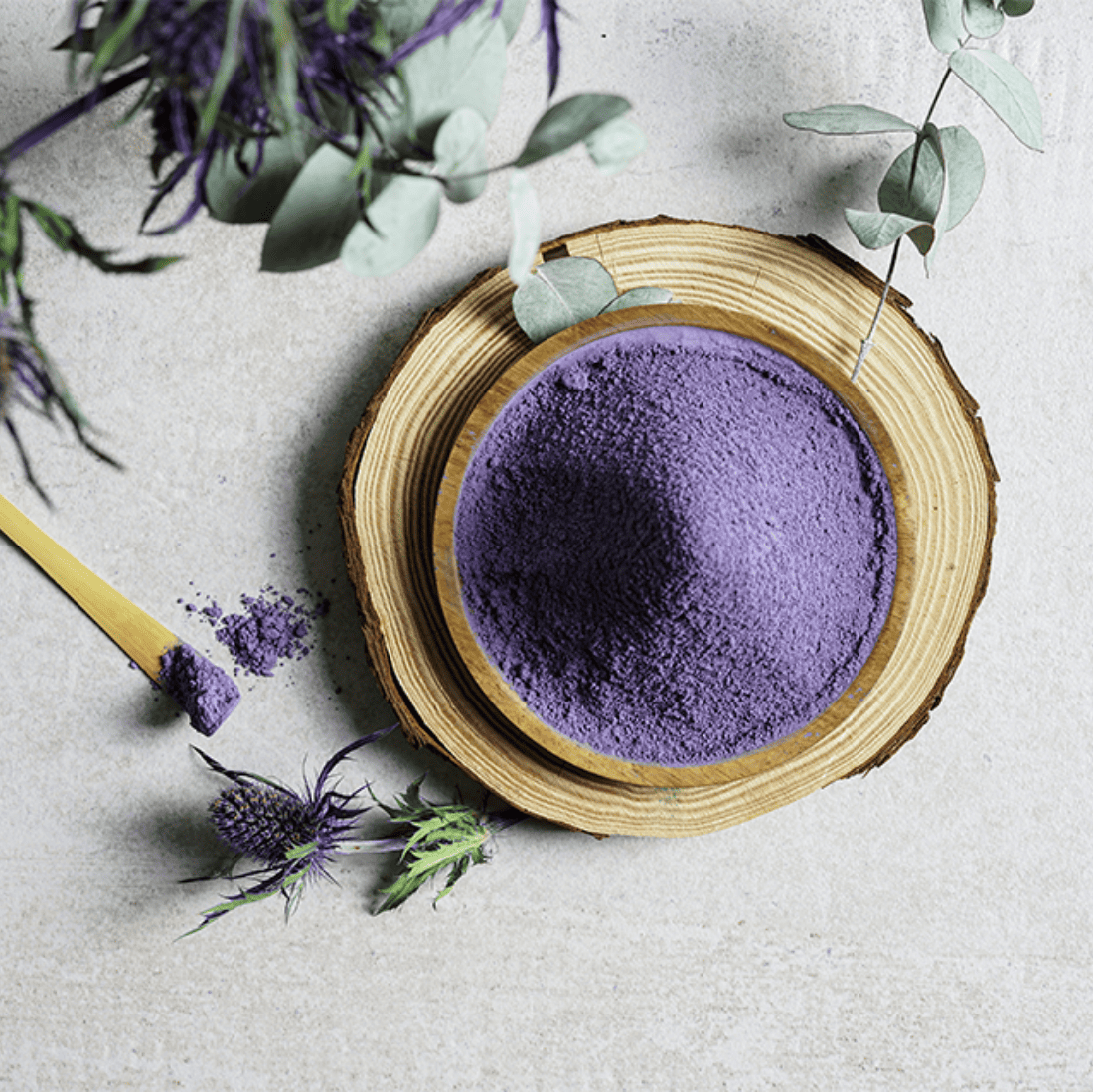
Incorporating these nutrients doesn’t have to be complicated. Simple additions to daily routine, like a smoothie with organic wild blueberry powder for breakfast, can be an easy way to add polyphenols into your day.
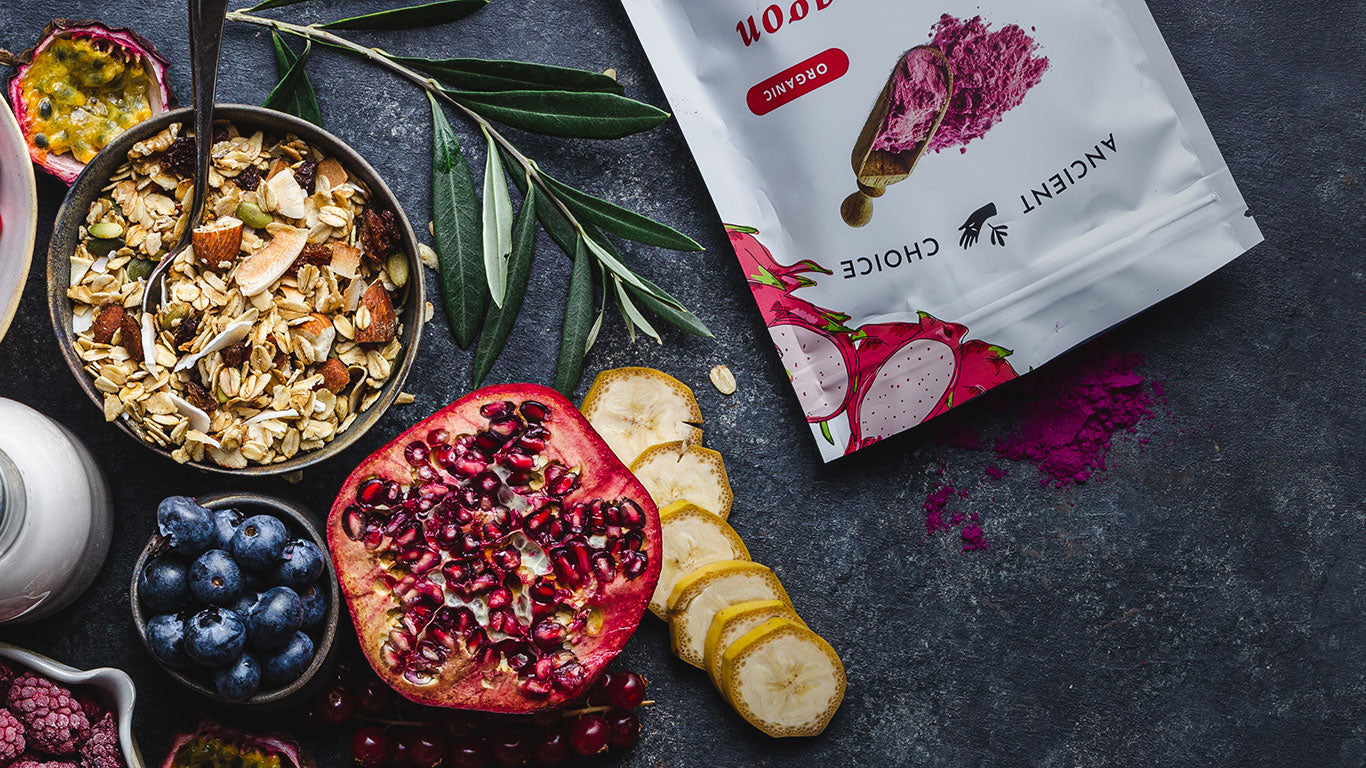
You can also create a layered smoothie with strawberry powder, for a natural source of Vitamin C that supports your body’s own repair systems, or dragon fruit powder, rich in prebiotic fiber that keeps your gut barrier strong.Plastic Reduction
I’m not going to tell you to never buy anything that comes in plastic again; that’s just not realistic.
But we can make better choices, like trying to reduce how much plastic we use.
You can start by changing the packaging of your everyday products. Choosing non-plastic options over plastic packaging can be a healthier and less wasteful choice.
Another way to reduce exposure to microplastics is to avoid heating food in plastic containers. You can use glass or ceramic alternatives. They are safer and last longer.
And finally, carry a reusable water bottle. It’s a small thing, but it saves you and the planet from hundreds of plastic bottles a year. Just make sure it’s made out of a non-plastic material, such as stainless steel or glass.-
Lifestyle and Stress Management
Stress is not just happening in your mind, but it affects the rest of your body too.
When it becomes a constant issue, it can weaken your digestive system.
Stress triggers your body’s fight-or-flight mode, releasing hormones like cortisol, which slow down digestion and affect gut bacteria.
Getting deep sleep is just as important for helping your body cope with stress.
During that stage, your body repairs cells and restores metabolic function. All of this matters when it comes to how your body handles stressors like microplastics.
If you need a moment to unwind, try switching your afternoon coffee for a caffeine-free drink, like a blue matcha latte, which is rich in antioxidants, calms your mind, and doesn’t give you that caffeine crash.
There’s no single way to detox from microplastics, so protecting your body is not about a drastic change, but about building small habits that allow you to become more resilient every day.
Frequently Asked Questions About Microplastics
What are microplastics?
They are small plastic fragments, often smaller than 5 millimeters. There are two types based on the source.
Primary: designed to be small, such as microbeads in personal care products.
Secondary: bigger plastic pieces that have been breaking down into smaller pieces.
Where do microplastics come from?
Microplastics come from everyday items such as bottles, bags, and clothing fibers. As they degrade, they release microscopic particles that spread with the wind and water.
What are the effects of microplastics on humans?
Early science shows that microplastics can negatively affect digestion, nutrient absorption, and inflammation. They can generate harmful free radicals that damage cells and tissues, and also cause immune system disruption.
How to remove microplastics from your body?
There’s no proven way to completely remove microplastics from the body, but eating foods rich in polyphenols and other antioxidants can strengthen your gut health and support your body’s natural cleansing processes.
What foods can reduce the effects of microplastics in the body?
Including wild blueberries in your daily diet provides a steady supply of polyphenols, which neutralize chemicals that can leach from plastics. Polyphenols can bind to these compounds in the gut to reduce absorption and counteract the oxidative stress they cause.